Human interpreters or AI? Why not both?
- i. Context
- A Spanish company launches a new line in climbing sports equipment in Santander and invites its best international clients. Given the composition of the audience, it is decide the event will take place in English, though there will be a significant number of people who only speak Spanish, several Portuguese speakers and a small number of speakers of Chinese and Korean.
- ii. Challenges
- 1. Although the intention is to ensure understanding in 4 languages in addition to English, which serves as lingua franca for the event, hiring interpreters for all 4 languages would significantly increase costs.
- 2. The availability of Korean-English and Chinese-English interpreters is very limited in Spain, and there are no suitable personnel in the country for the dates in question.
- 3. It is anticipated that the mountain sports-related terminology will be highly technical.
- iii. Solution
- 1. We propose the use of our remote simultaneous interpreting platform, which in addition to reducing set-up time, allows the space that would be occupied by interpreting booths to be used for product display.
- 2. For the dominant languages (Spanish and Portuguese) human interpreters will be used, working from a remote interpreting studio in Madrid.
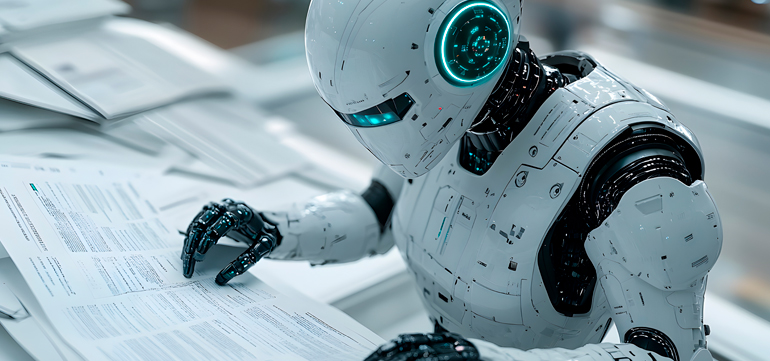
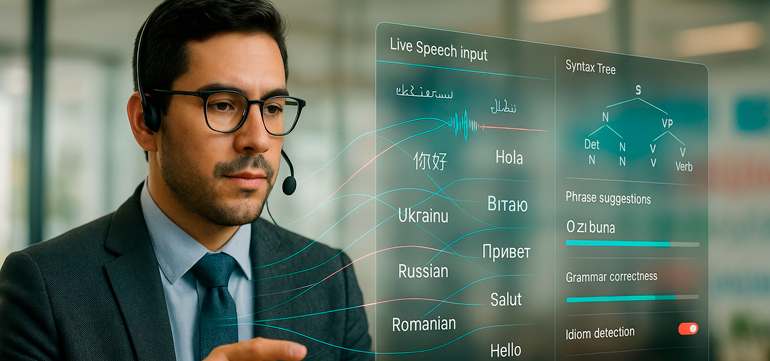
- 3. For Chinese and Korean, languages required by just 5 attendees at the event, interpreting will be provided by artificial intelligence, considering it will provide an adequate service and meet cost-quality requirements.
- 4. The client will provide a list of frequent terms that will be fed into the AI tool in order to ensure the system recognizes and translates them appropriately.
- 5. The CM Idiomas team work closely with the audiovisual technicians assigned to the event, so they can handle our audio and video requirements, avoiding the need to send additional staff to the site.
Return to Success Stories
